

of the calories US adults ate in 2017 and 2018 came from ultra-processed food.
Juul et al., AJCN 2022
+508kcal
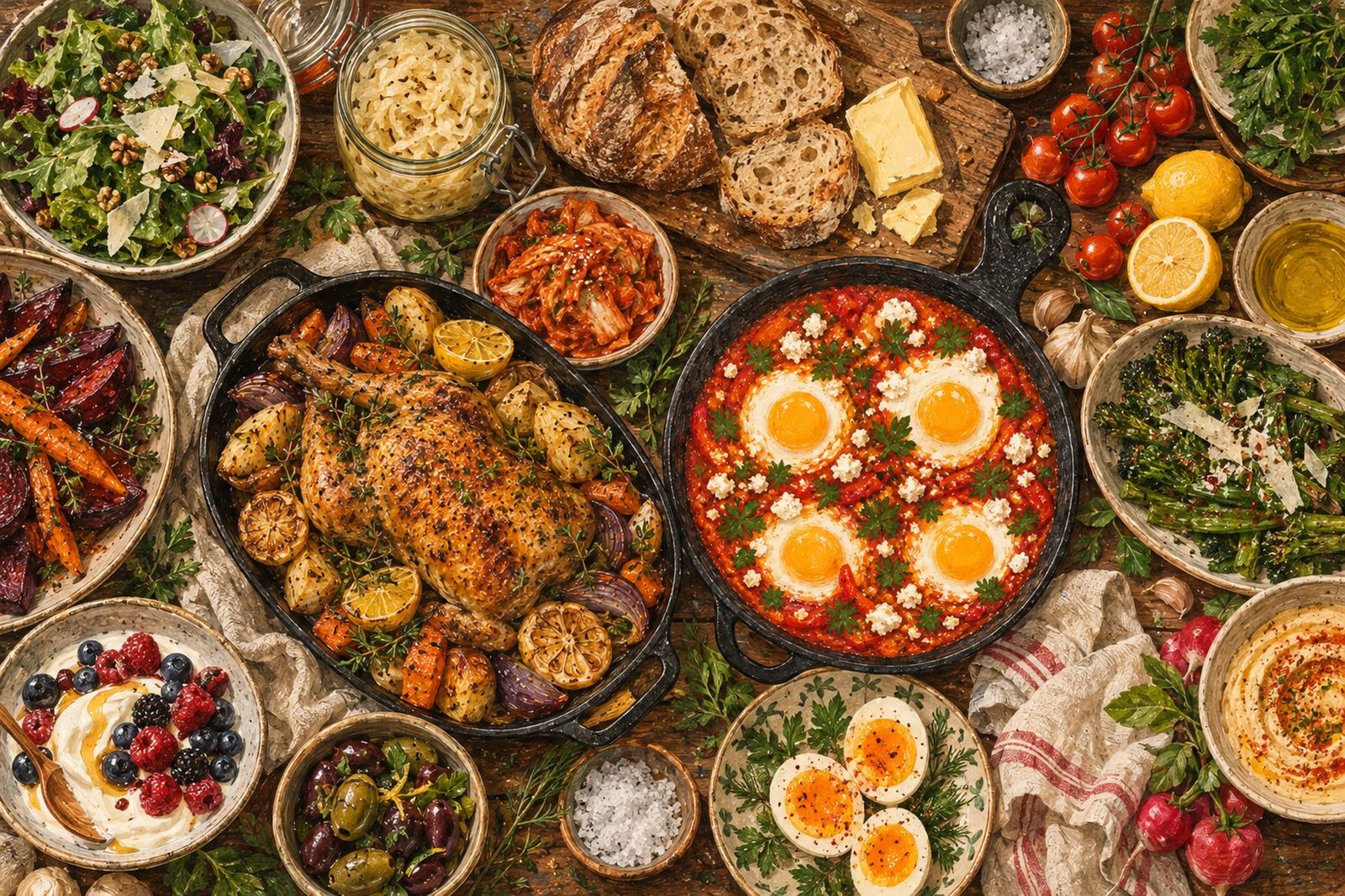
Read any label in five seconds. Cook real food that needs no label.
That is how much extra people ate on an ultra-processed diet in a controlled NIH trial. The meals offered the same calories, sugar, fat, fibre and salt as the unprocessed diet. The only difference was what had been done to the food.
Hall et al., Cell Metabolism, 2019 · 20 adults, four weeks on a metabolic ward · +0.9 kg in two weeks on the ultra-processed diet, −0.9 kg on the unprocessed one
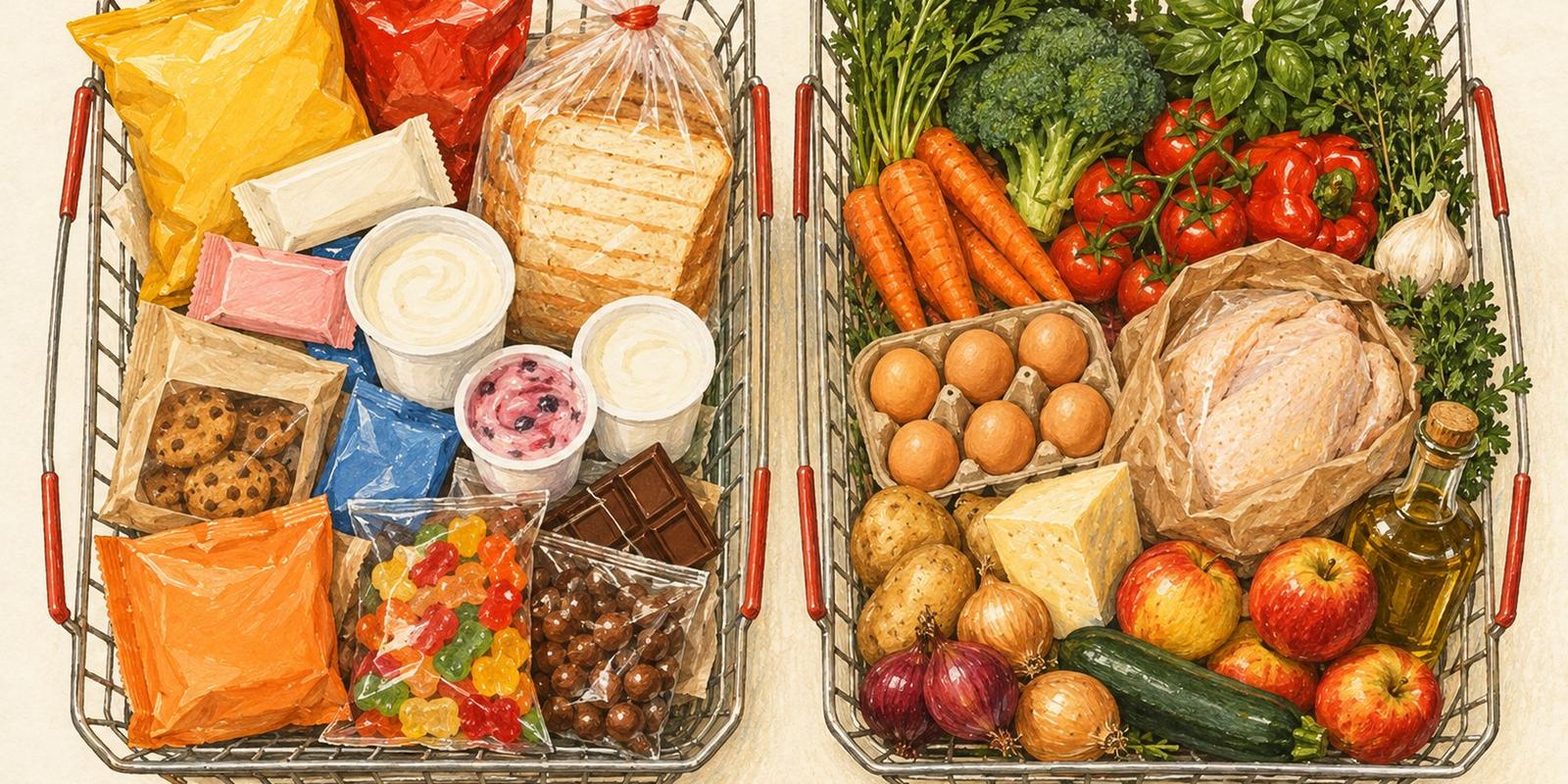
Every product in the shop answers three questions. If all three answers are no, it is food.
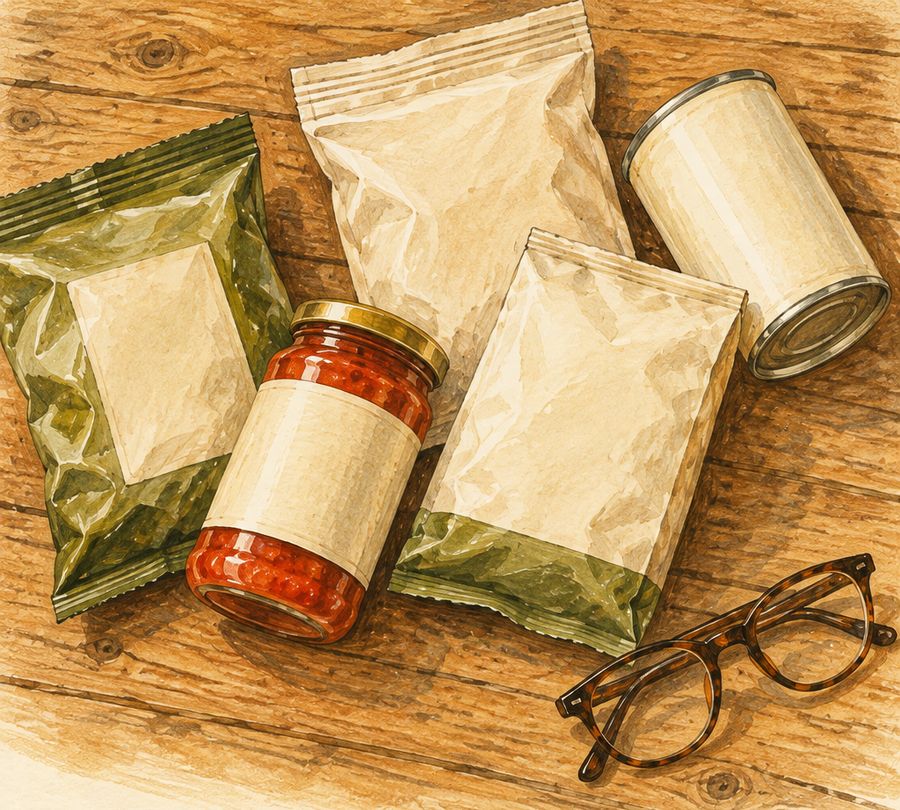
Modified starch, protein isolate, dextrose, "flavouring". One is enough.
Colours, sweeteners, emulsifiers, thickeners, flavour enhancers.
"High protein", "light", "keto", "no added sugar". A claim is a reason to read the back.
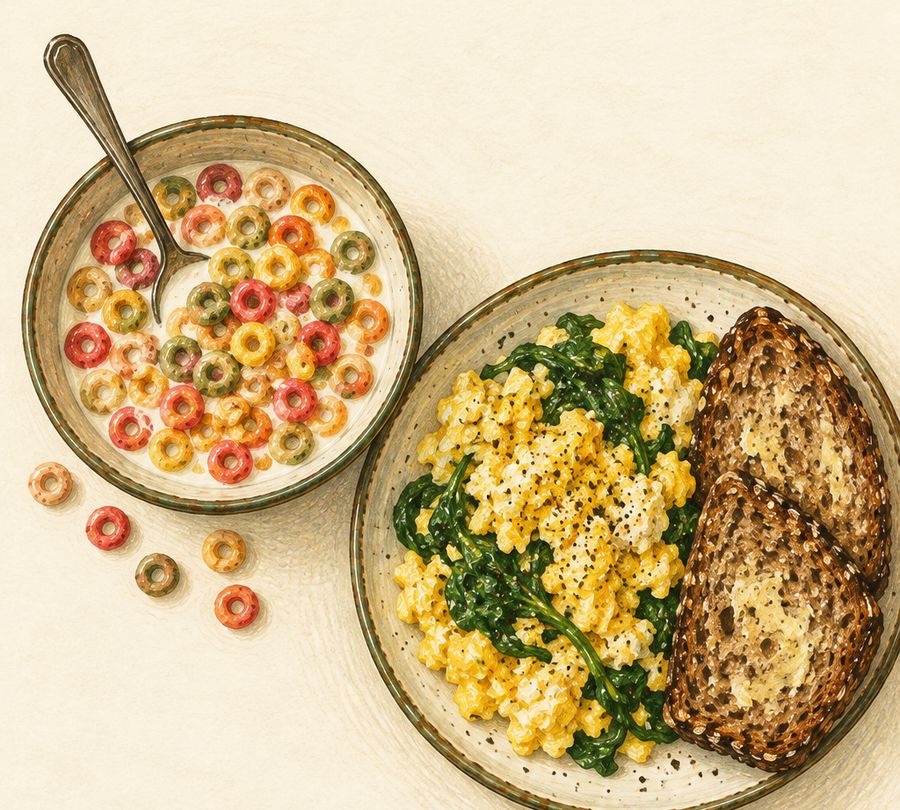
Fails all three questions.
Passes in a second. Add berries.
Large studies point the same way as the controlled trial. Part 1 explains what they can and cannot tell us.
of the calories US adults ate in 2017 and 2018 came from ultra-processed food.
Juul et al., AJCN 2022
of commonly eaten US foods meet a scientific definition of "hyper-palatable".
Fazzino et al., Obesity 2019
higher risk of death from cardiovascular disease with high intake, graded convincing.
Lane et al., BMJ 2024
Read the first three in a weekend. Use the rest in the shop and the kitchen.
What ultra-processed food does in the body, what the big studies can and cannot tell us, and what changes when you eat real food.
The four kinds of food, the 5-second test, how ingredient lists and front-of-pack claims work, and a dictionary of 40 additives, each with an honest evidence rating.
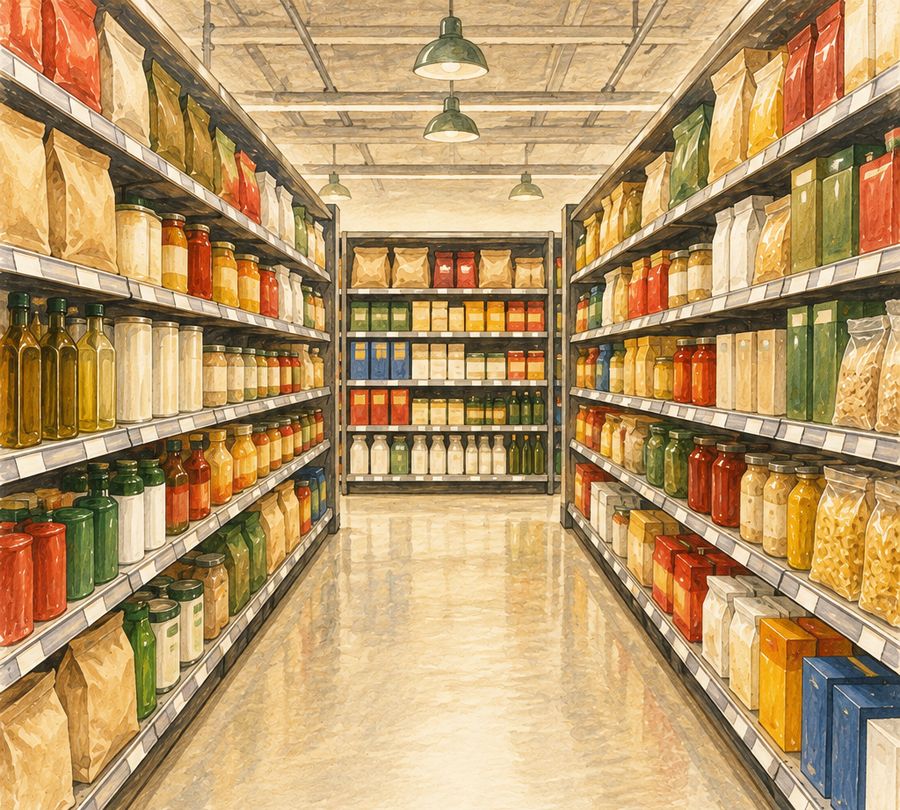
How a few companies shape the shelf, the research and your cravings. Documented history, no conspiracy theories.
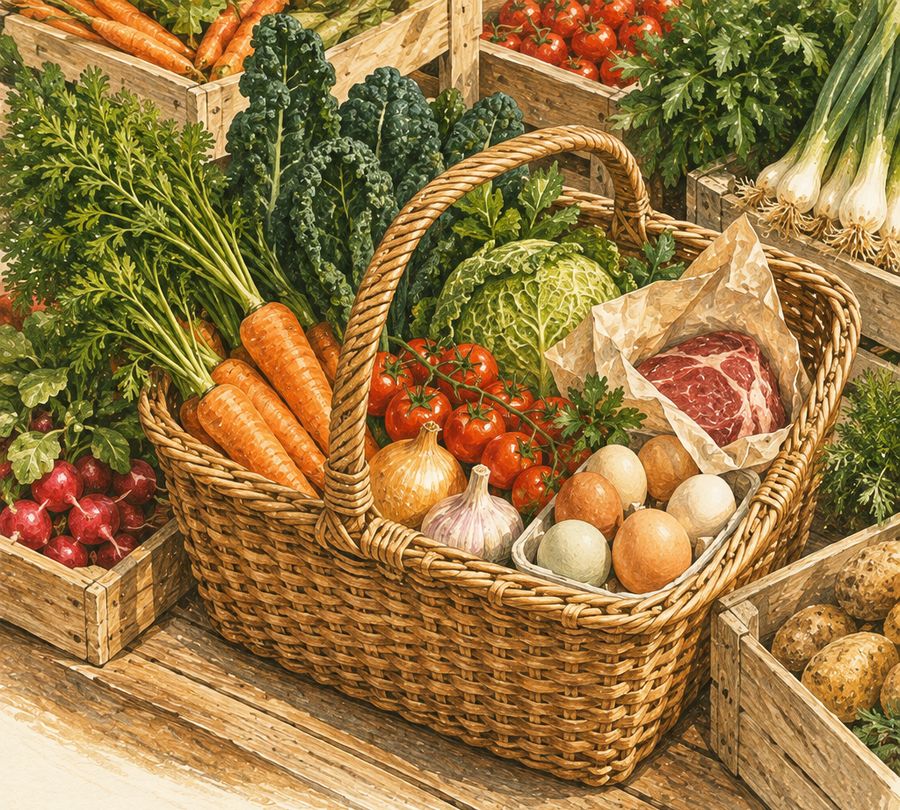
A route through the shop you already use, aisle by aisle, with label tips, swaps and real food on a normal budget.
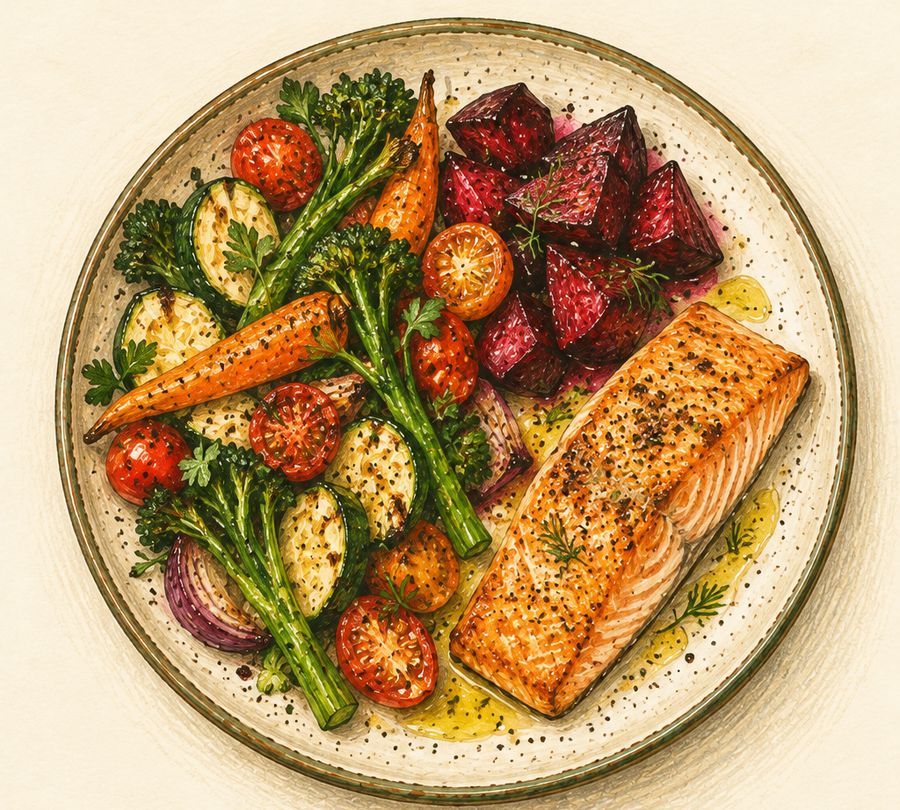
How to build any meal, and the science behind it: why fewer carbohydrates, insulin and stress, fasting, milk, protein, fat and cholesterol, why seed oils are not in this book, the gut, inflammation, salt and which supplements are worth taking.
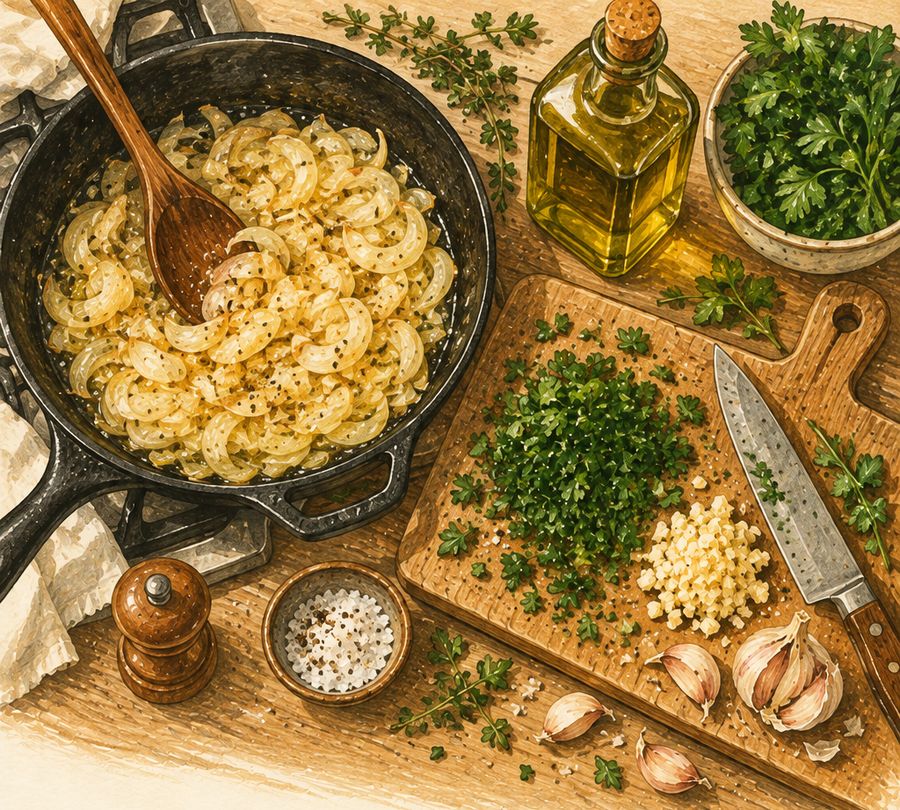
A clean pantry, five techniques, what spices do for your health and 48 recipes, each marked very low, lower or moderate carb.
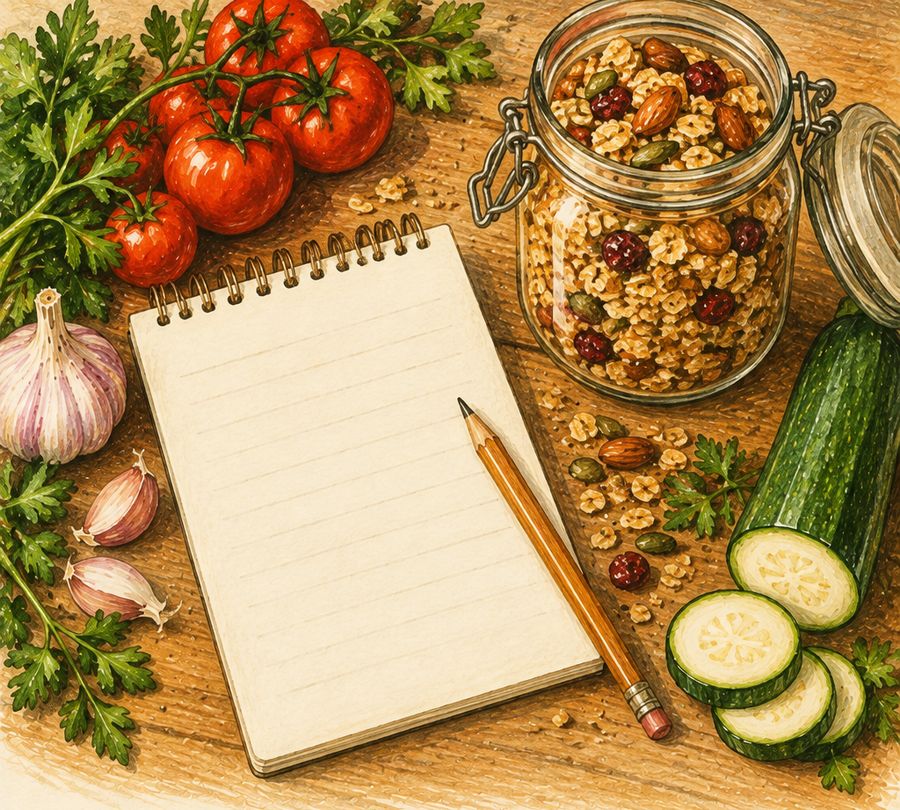
A two-week meal plan with leftovers built in and a shopping list for each week. How to cook for one, for a family or for a crowd, how to bring children along, and a card to take to the shop.
Fear of additives sells, so plenty of guides inflate it. This one rates each additive by the strength of the evidence, including the ones you can stop worrying about.
The European Food Safety Authority could no longer call it safe in 2021. Banned in EU food since August 2022, still used elsewhere.
Reduced gut bacteria diversity in a small controlled feeding study in healthy adults. Worth limiting, no reason to panic.
Its bad reputation has not held up in blinded trials. Still a sign that a product needed help to taste of something.
Almost all of it is made by fermenting sugar with a mould, not squeezed from lemons. Four case reports link it to bloating and cramps that eased without it. No controlled trials yet.
The food industry is not run by villains. It is run by people doing what their companies reward. Part 3 shows what that has meant in practice.
The US sugar industry's research foundation paid Harvard scientists for a review that played down sugar and blamed fat. The funding was not disclosed.
Kearns, Schmidt, Glantz · JAMA Internal Medicine, 2016
Philip Morris bought Kraft, three years after General Foods. Tobacco-owned brands went on to sell more hyper-palatable foods than other companies.
Fazzino et al. · Addiction, 2023
A soft-drink company funded a scientific network whose message was that people worried too much about what they drank. It shut down the same year.
The New York Times, August 2015

Ingredients from any supermarket. Most dinners serve four, so tomorrow's lunch is already made. Each recipe is marked very low, lower or moderate carb.
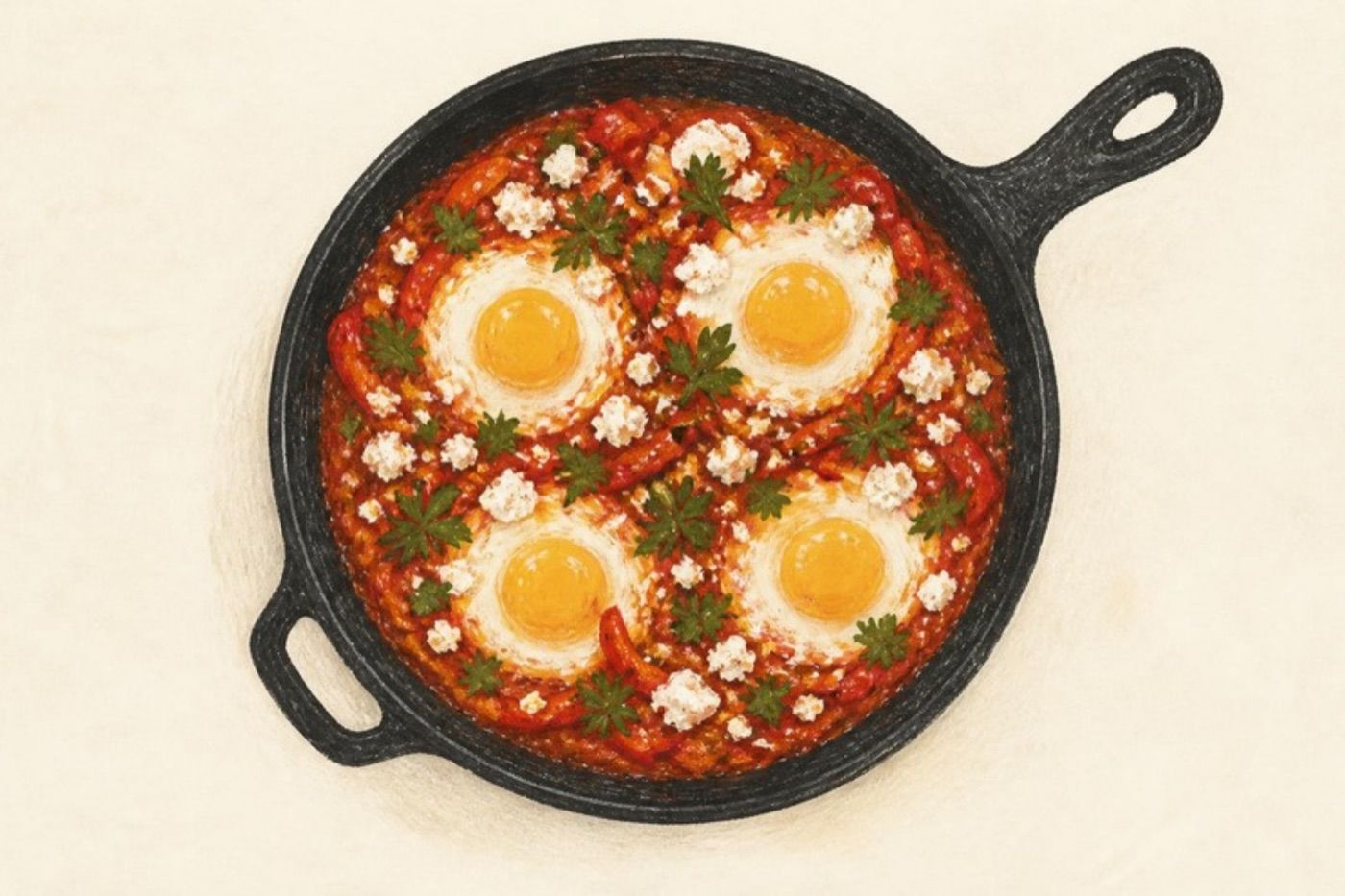
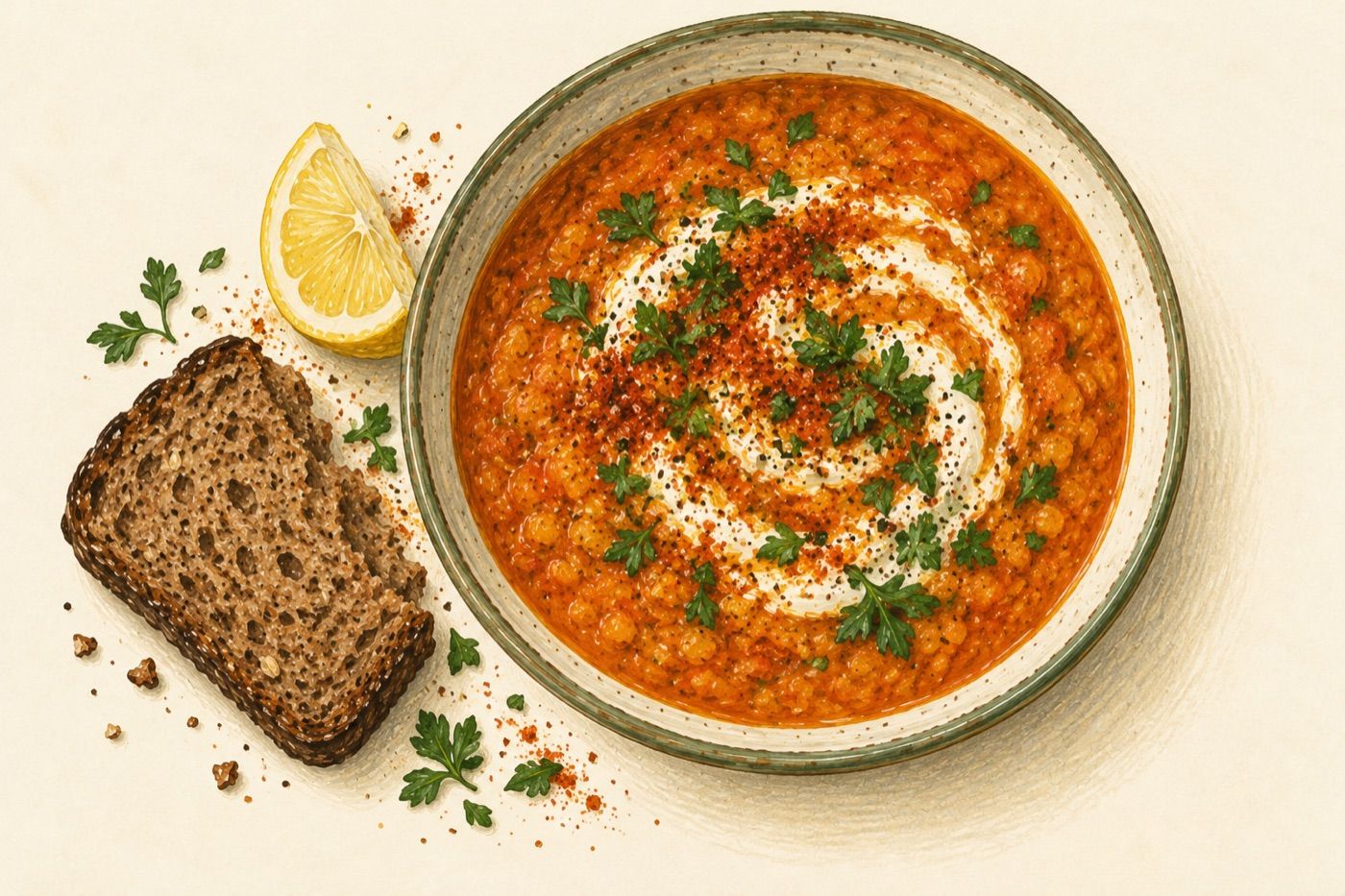
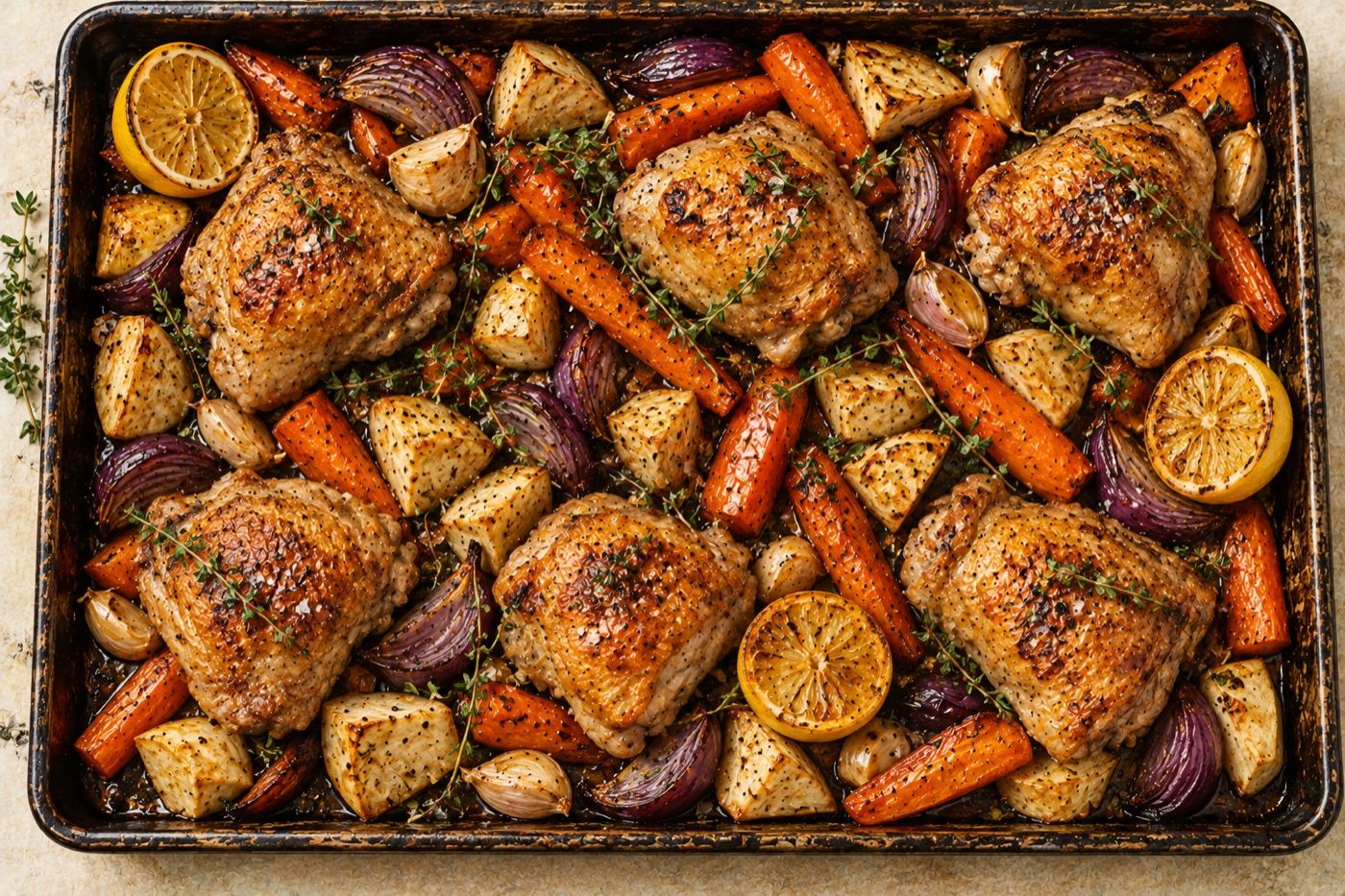
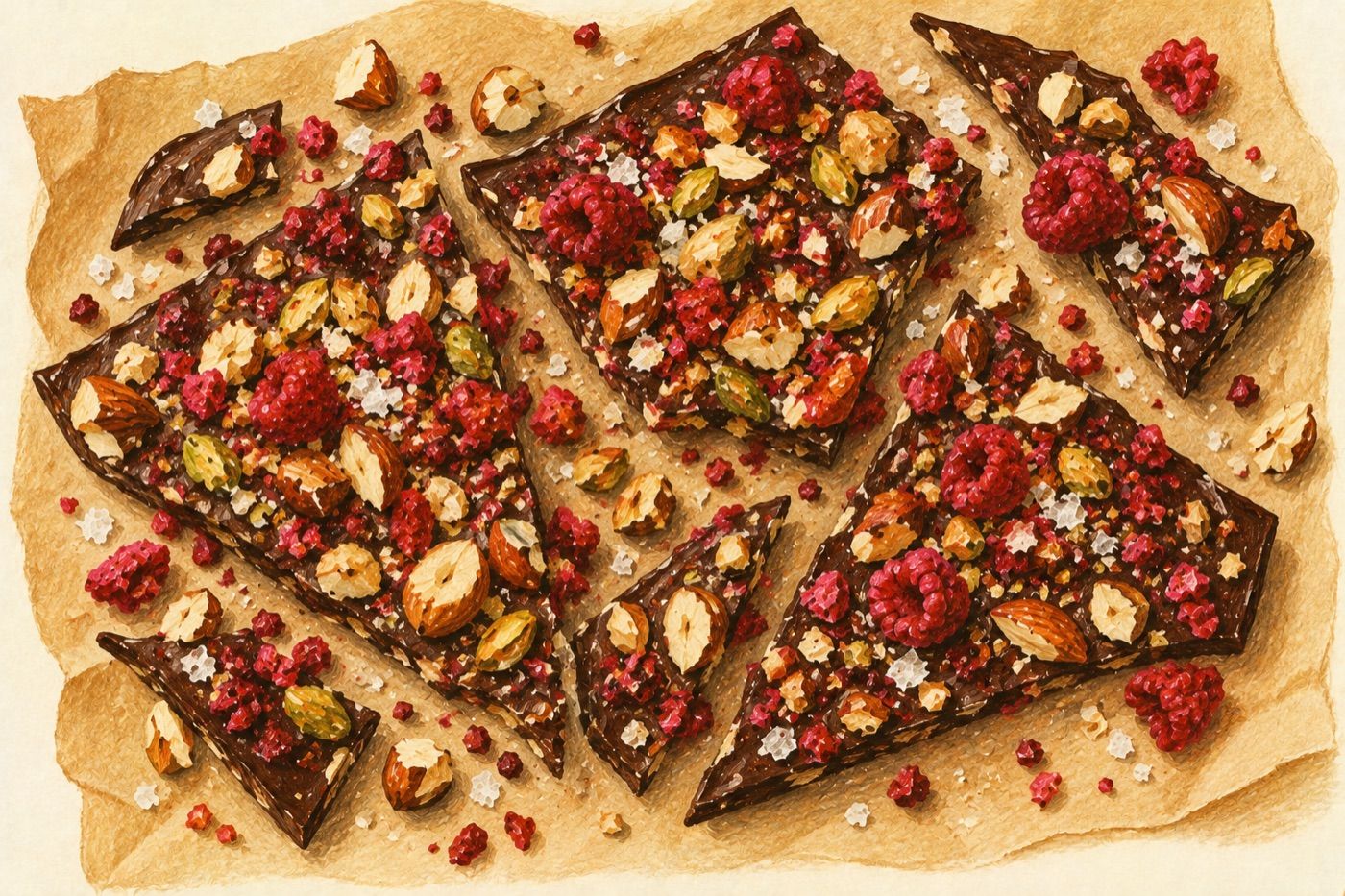
Breakfasts · lunches · dinners · homemade basics · sourdough · something sweet
PDF, 211 pages. Instant download link by email.
Until 30 November 2026. From 1 December the price is €39.90. Includes VAT where applicable. The price is set in euros; if you pay in another currency, Lemon Squeezy converts it at checkout.
Secure checkout by Lemon Squeezy. Instant download link by email.
Not ready? Start with the free 5-second label test
Not a diet.No calorie counting, no weighing, no banned food groups. A default you return to, not rules you break.
Not biohacking.No supplements, powders, tests or gadgets. Ordinary food from an ordinary shop, cooked in an ordinary kitchen.
Not medical advice.Education about food and labels. If you have diabetes or take medication, talk to your doctor before changing how you eat.
No. The clean plate is lower in carbohydrate than a typical Western diet, but it keeps roots, beans, berries, oats and other whole-food carbohydrates. The guide explains what the research says about low-carb eating, including its limits.
No. Everything comes from a normal supermarket. Part 4 shows how to eat real food on a normal budget: cheap cuts, eggs, tinned fish, beans and frozen vegetables.
Every recipe cooks with olive oil, butter, ghee, coconut oil or beef tallow. Seed oils such as rapeseed, sunflower and soybean oil are refined with solvents and heat and break down when you cook with them, and the trials that replaced traditional fats with them did not save lives. Part 5 goes through the evidence.
The evidence separates unprocessed red meat, which is nutrient-dense and fine for most people in moderate amounts, from processed meat such as ham and salami, where the evidence of harm is much stronger. Part 5 goes through both.
It is not a weight-loss programme, and we make no promises. In controlled studies people eat less without trying when their food is unprocessed, and many readers will notice that. What you eat most days matters most.
Yes. The recipes suit everyone. The lower-carbohydrate guidance is written for adults; children and teenagers need more carbohydrate and energy.
A PDF that works on phone, tablet and computer. You are welcome to print pages for your kitchen.
Yes. The free 5-Second Label Test is the first chapter in short form, with twelve additives and three recipes. Get it here.
Three questions, five seconds, and forty-eight recipes for the food that passes.